My Collective Heritage
A reflection on rural memory, inherited rituals, and the fragile continuity between human life and nature.

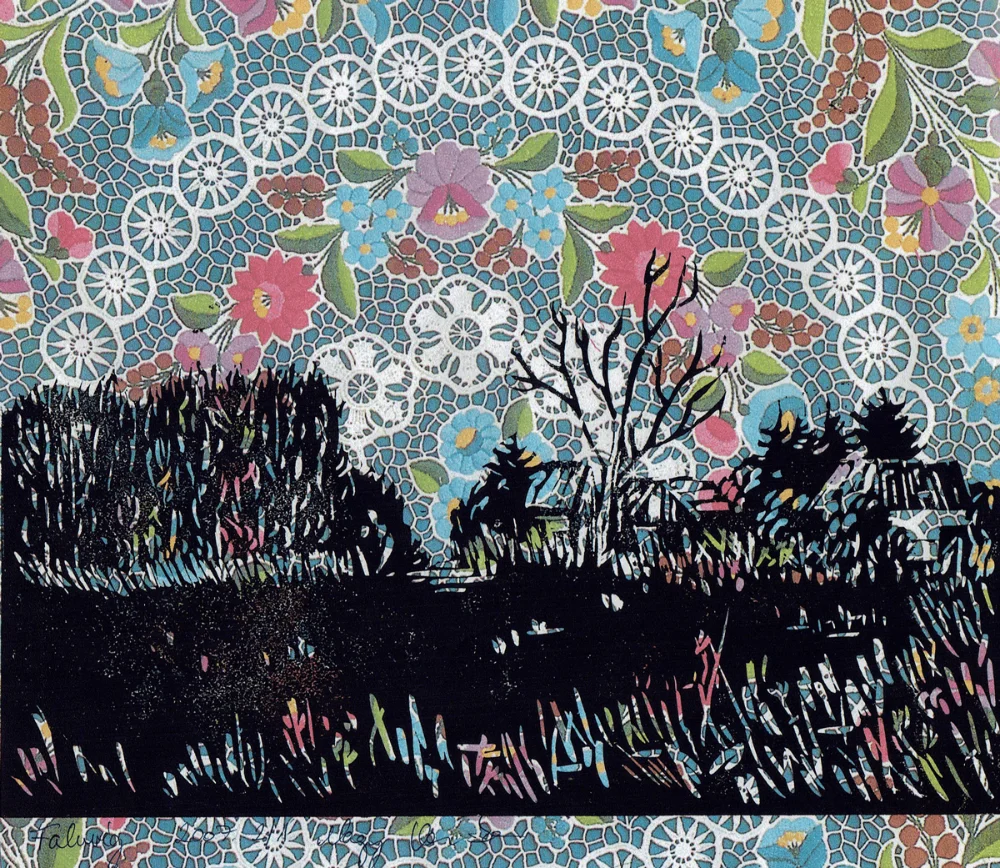



During my childhood, I spent long summers in my grandmother’s rural village, where I first experienced a deep and instinctive connection to nature.
For me, village life became synonymous with freedom: bathing in creeks, running through fields, moving through landscapes shaped by seasons rather than schedules.
Everyday life there followed the rhythm of the natural world. Physical labor, caring for animals, cultivating gardens — these were not separated from life, but woven into its structure.
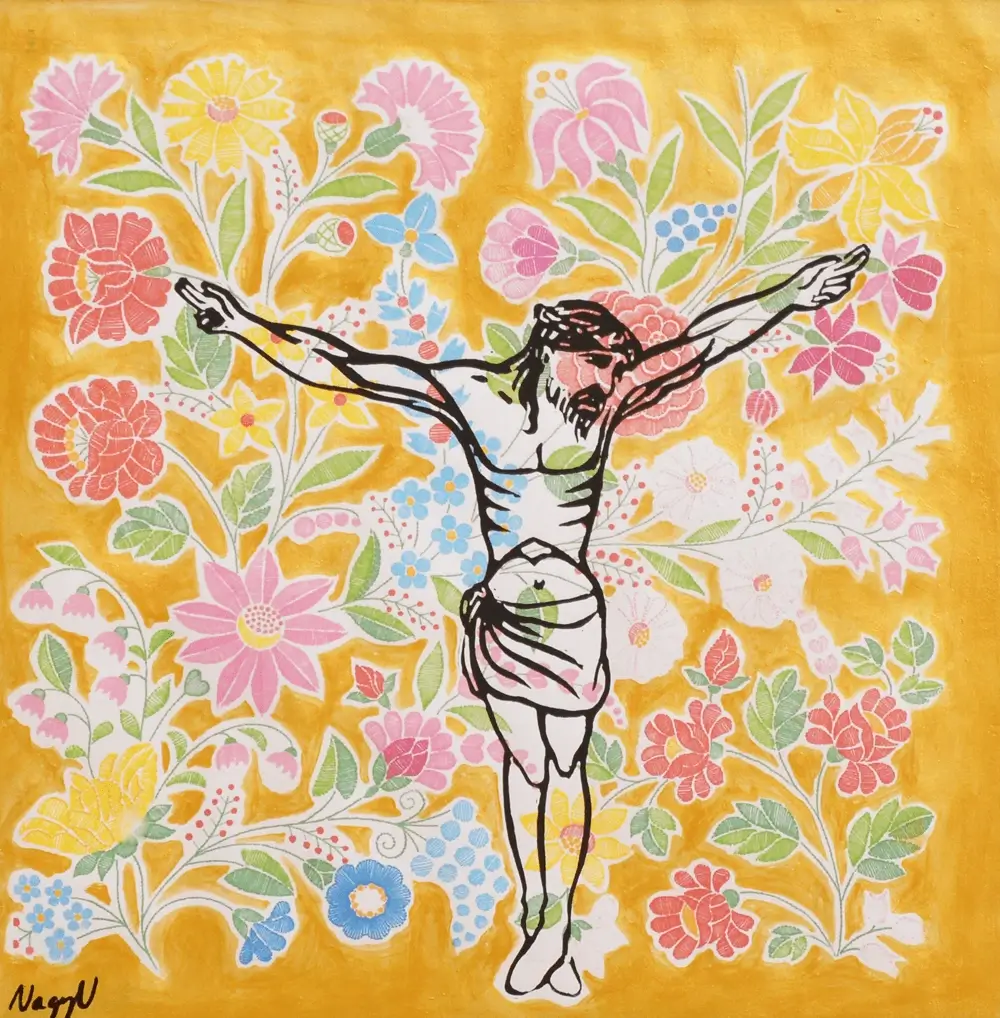
At the same time, I was deeply affected by the quiet spirituality of rural existence: roadside crucifixes, handmade domestic altars, gestures of faith preserved within ordinary spaces.
These early experiences continue to shape my visual language and remain a lasting source of inspiration in my work.
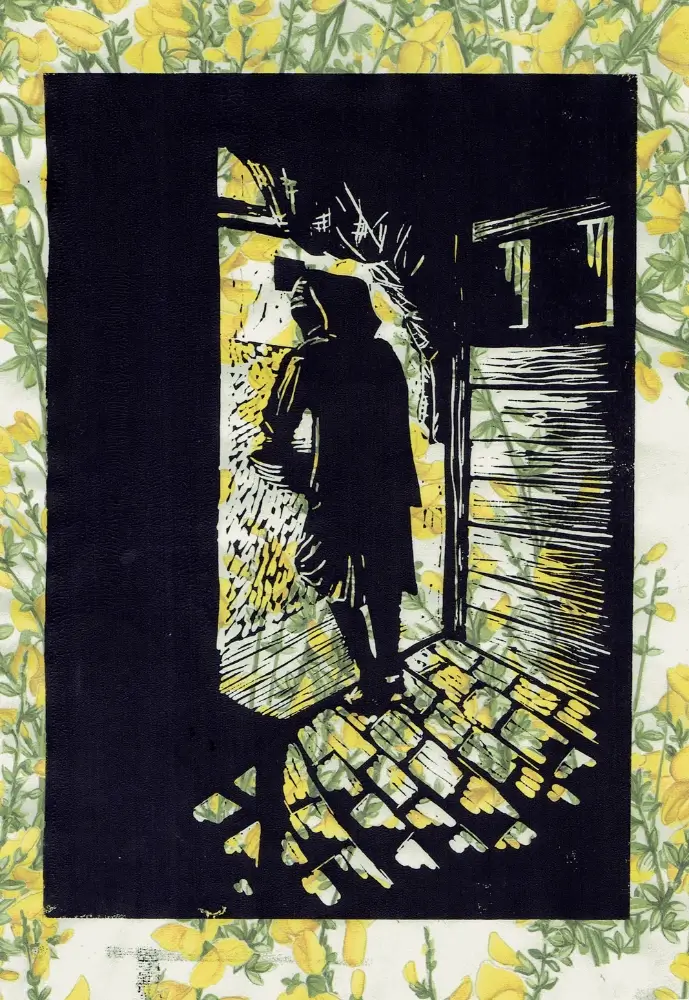
The series reflects on memory not as nostalgia, but as a living inheritance — something carried collectively through gestures, objects, landscapes, and rituals.
Rural architecture, old trees, embroidered textiles, and elderly figures appear throughout the works as fragile traces of continuity between past and present.
I am drawn to moments where human life and natural cycles mirror one another: birth and decay, growth and disappearance, permanence and erosion.
Organic forms — flowers, roots, branches, shifting textures — become emotional structures through which states of being can emerge.
The works seek simplicity and clarity in composition, while layered surfaces carry both material and emotional weight.
These images are not documents of rural life.
They are quiet attempts to preserve something increasingly difficult to hold:
slowness,
memory,
belonging,
and the human need for connection within the larger rhythm of time.